Curious how you can explore explicit art while keeping your identity and data safe? This guide shows you how to create high-quality content in 2026 without risking privacy or legal trouble.
You will learn how to balance your imagination and creativity with the crucial need for consent. Good prompts turn ideas into visual art, and the right setup keeps your work private.
Respect for others and your own safety is the foundation here. We cover platforms that protect personal data, step-by-step prompt tips, and rules to follow so your experience stays ethical and lawful.
By the end of this section, you’ll know the basics to begin producing secure, private nudes while protecting rights and staying within the law.
Key Takeaways
- Prioritize platforms that enforce strong privacy protections.
- Use clear prompts to shape your creative vision into art.
- Obtain explicit consent — it is non-negotiable.
- Keep personal data separate from your creative files.
- Follow local laws to ensure ethical and legal use.
Understanding AI Nude Generator Technology
Modern image synthesis blends code and creativity to reproduce realistic body forms with striking detail.
Deep learning models analyze body shape, lighting, and texture to predict new pixels that fit the structure of an existing image. This process makes each generation look cohesive and natural.
Platforms like SkinHack AI use advanced algorithms and offer 70+ video presets. You can try your first generation free to test presets and refine your vision.
- Models are trained on large datasets to learn proportions and visual cues.
- Customization options let you adjust pose, lighting, and stylistic effects.
- The goal is to turn your imagination into high-quality art while keeping detail and integrity.
| Feature | What it does | Benefit to you |
|---|---|---|
| Body analysis | Maps proportions and pose | More accurate, realistic image output |
| Texture & lighting | Matches surface detail and shadows | Improves depth and artistic quality |
| Presets & tools | Ready-made effects and controls | Faster refinements and consistent results |
Understanding this stack helps you control the output and craft a safer, more polished experience when creating explicit art.
How the Image Generation Process Works
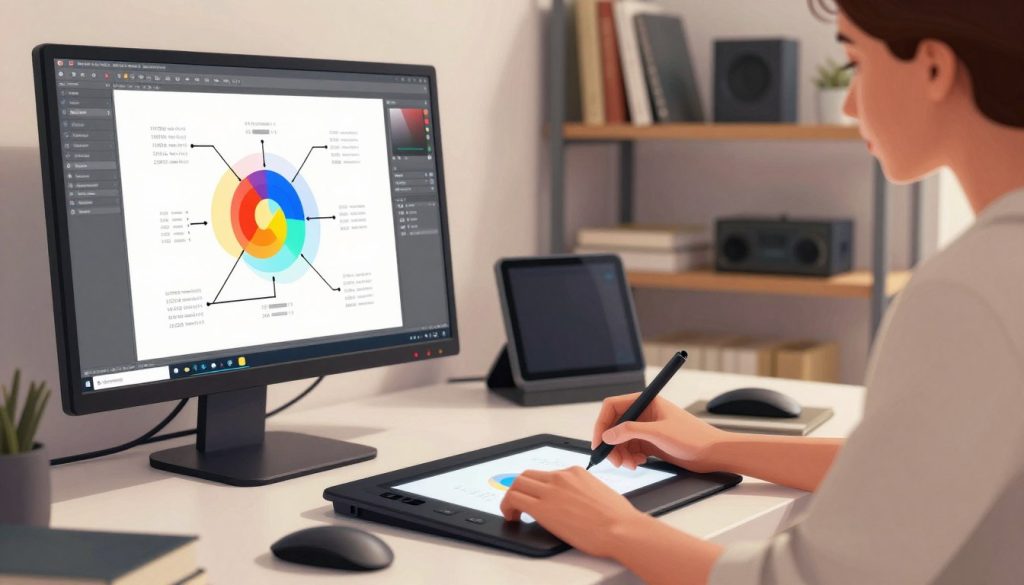
Begin the workflow with a focused prompt or a photo upload to set the visual direction for your image. This first choice defines the body, pose, lighting, and style the system should follow.
Input Selection
Choose text prompts or a reference photo. Clear prompts help the model map proportions and expression. Uploading a photo gives precise body structure to guide the results.
Refinement and Customization
The model usually finishes a pass in 5 to 60 seconds, depending on complexity and requested quality. After the first set of images appears, you can refine prompts to tweak pose, skin tone, background, or mood.
- You control iterations: update the prompt and rerun to improve results.
- Fine-tune expressions, crop, or combine frames for better composition.
- Produce both still images and short video clips without special software.
| Step | What you do | What you get |
|---|---|---|
| Input | Text prompt or photo upload | Defines body, pose, style |
| Generation | Model renders images (5–60 seconds) | Initial set of images to review |
| Refinement | Tweak prompt, adjust settings | Higher quality, personalized art |
Top Rated Platforms for Creating AI Content
Choosing the right platform shapes how fast and how detailed your images and video will turn out. Below are top options for different workflows, budgets, and control needs.
Telegram Based Bots
Nu3Bt AI stands out for fast delivery and affiliate rewards. It runs inside Telegram, offers a 35% referral commission, and returns results in under 3 minutes.
This option is ideal if you want quick generations without switching apps.
Web Interface Platforms
For a browser-based experience, Playbox gives you the best value. It costs roughly $0.20–$0.40 per generation for both images and image video.
Many web platforms now support both still image generation and short video creation, so you can handle multiple media types in one place.
Specialized Niche Tools
CreateHottie is for users who need granular control. It lets you tweak FPS and quality settings to fine-tune video and image output.
VibeNude is popular for long-term use because credits do not expire, making it easier to budget over time.
“Match the platform to your priorities — speed, cost, or fine control — to get the best results for your projects.”
- Consider subscription and interface when choosing a tool.
- Look for features like image video support, prompt control, and credit policies.
- Check community tips on social media to improve your prompts and quality.
| Platform | Strength | Best for |
|---|---|---|
| Nu3Bt AI (Telegram) | Fast results, referral rates | Quick tests, social sharing |
| Playbox | Low cost per generation | Budget users, high volume |
| CreateHottie | FPS & quality control | Custom video/image work |
Comparing Free Versus Paid Generation Tools
Your choice of free versus paid services directly shapes the resolution, speed, and features available.
Free tools are great for testing prompts and checking the interface. They usually limit the number of images and may add watermarks. You can expect lower resolution and slower processing at peak times.
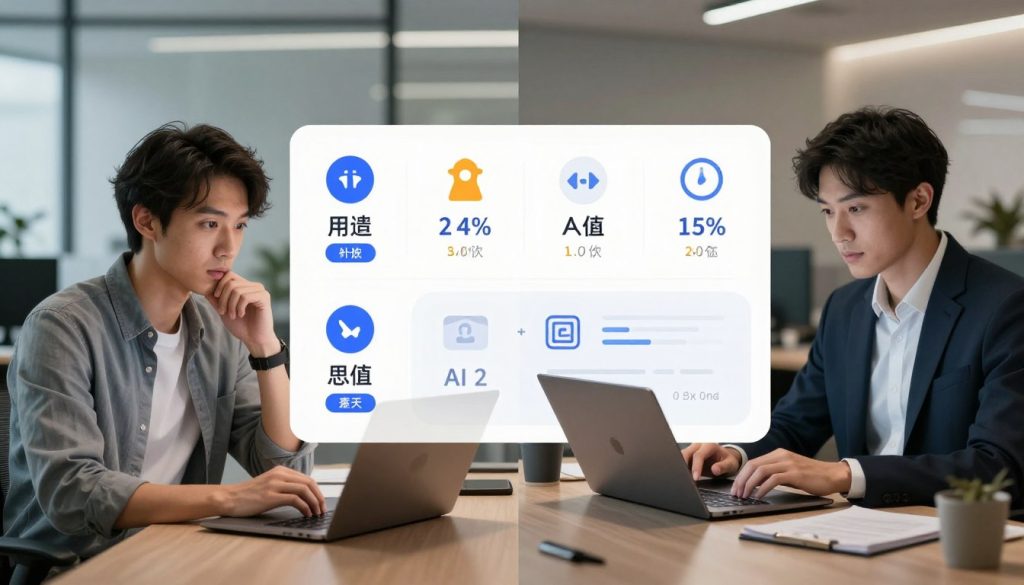
Paid plans unlock higher resolution, faster generation times, and advanced features for image video and longer clips. Professionals often prefer paid tools for consistent results and reliability.
- Try free tiers to learn the app and prompt style.
- Compare subscription costs by price per generation.
- Paid services often remove watermarks and improve resolution.
| Aspect | Free | Paid |
|---|---|---|
| Images per month | Limited | High or unlimited |
| Resolution & quality | Low to medium | High, professional |
| Video support | Basic or none | Full image video tools |
| Processing time | Slower, queues | Faster, priority |
| Support & features | Community help | Priority support, advanced features |
Always review terms of service before you commit. Make sure the platform’s privacy rules match your expectations for content and photo handling.
Prioritizing Privacy and Legal Compliance
Before you hit generate, confirm that consent and platform policies protect your work and any people pictured. This initial check prevents legal and ethical problems later.
Best Practices for Data Protection
Verify storage rules. Choose platforms that state how long they keep images and generated content. Prefer tools that delete uploads after the process.
Avoid sensitive photos. Do not upload identifiable personal images unless you have explicit consent.
- Read the privacy policy. Ilya Sadowskiy stresses this as a must for security-conscious users.
- Obtain consent. Dmitrii Medvedko emphasizes legal compliance — get clear, recorded permission before you process anyone’s image.
- Use reputable platforms. Look for clear documentation on data handling, subscription terms, and interface controls.
Good practice reduces risk. When you limit stored media, check resolution and metadata handling, and prefer platforms with short retention times.
“Respect local laws and always obtain explicit consent before using another person’s image.”
| Risk | Best action | Why it matters |
|---|---|---|
| Platform stores uploads | Choose short-retention or ephemeral tools | Reduces long-term exposure of your images |
| No consent | Do not process or publish the content | Prevents legal claims and ethical harm |
| Poor documentation | Pick platforms with clear privacy features | Gives transparency on how content and metadata are used |
Conclusion
Selecting a platform that balances speed, quality, and safety will save time and protect your work. Choose a generator that fits your goals for image quality, turnaround, and control.
Prioritize privacy. Pick tools and apps that delete uploads, explain retention, and secure your files. That protects both the content and the people involved.
Master clear prompts to improve results and unlock your imagination. Whether you use a web platform or a mobile app, the right settings help your creativity turn into polished art and short video clips.
Always get consent and follow local rules. Ethical use keeps your experience safe and sustainable as new tools appear. Keep experimenting and refining your workflow.
FAQ
What should you know about how image generation tools create explicit content?
These tools use machine learning models that analyze large image datasets and learn patterns of shape, texture, and color. You provide a prompt or a photo, and the model synthesizes a new image. Results depend on model training, prompt clarity, and available adjustments like resolution and style. Expect variation in realism, and use platforms that document their content policies and safety filters.
How do you pick the right input for best results?
Choose clear, high-resolution photos if the tool accepts uploads. Write concise prompts that specify pose, lighting, and camera angle. Use reference images or mood boards when possible. Adjust settings for resolution and refinement steps to reduce artifacts. If you want artistic looks, select an art style or specify color palettes.
What customization options typically exist during refinement?
Most platforms let you change resolution, denoise strength, and number of iterations. You can apply face-aware edits, swap backgrounds, or tweak body proportions. Use sliders to balance realism and stylization. Preview changes at lower resolution to save time, then render final high-resolution images once satisfied.
Which platforms are known for reliable image and video content tools?
Look at established services like Midjourney, Adobe Firefly, and Runway for image or short-video synthesis. Telegram bots can be convenient for quick tests, while web interfaces from major providers give more control and editing tools. Evaluate each platform’s quality, speed, subscription plans, and content policies before choosing one.
Are there specialized tools for niche creative needs?
Yes. Some apps focus on photorealism, others on stylized art or animation. Platforms such as Stable Diffusion forks power plugins and niche editors. Choose a specialized tool if you need body-morph control, realistic lighting, or video frame interpolation. Check community reviews and sample galleries to assess output quality.
How do free tools compare to paid services?
Free options can be great for experimentation but often limit resolution, speed, and commercial use rights. Paid tiers provide higher resolution, faster queue times, and advanced features like private models or batch processing. Consider subscription costs against time saved and the level of control you need for consistent results.
What privacy practices should you follow when using these platforms?
Use services that offer end-to-end encryption or explicit guarantees about data retention. Avoid uploading sensitive photos unless the platform states it does not store or use them for training. Create strong account passwords, enable two-factor authentication, and review privacy policies for details on consent, data sharing, and deletion options.
How do you ensure legal compliance and respect consent?
Obtain clear consent from any real person whose likeness you use. Do not create images of minors or use identifying marks without permission. Check local laws about explicit content and intellectual property. Use platforms that provide tools for verifying age and consent when required.
What are best practices for protecting your files and identity?
Store originals locally with encryption and use secure cloud services for backups. Remove metadata from images before uploading. Use pseudonymous accounts if you prefer privacy, and avoid linking work to personal identifiers. Regularly audit permissions for third-party apps and revoke access when no longer needed.
Can you use generated images in commercial projects?
It depends on the platform’s license. Some services grant commercial rights, while others restrict use or require attribution. Read terms of service carefully and consider purchasing extended licenses for advertising or resale. If images include a real person’s likeness, you may also need a model release for commercial use.
How should you manage creative control and prompt strategy?
Start with a clear, short prompt and iterate. Use reference photos, mood words, and technical parameters like focal length or lighting. Keep changes incremental to identify what affects the outcome. Save effective prompts and presets so you can reproduce or refine results consistently.
What quality factors affect final output speed and resolution?
Higher resolution and more refinement steps increase render time. Advanced models and GPU-backed services reduce latency but may cost more. Batch processing can be slower for free users. Balance quality needs against time and budget by testing at lower settings before final renders.
How do platforms handle content moderation and safety?
Leading services implement filters, human review, and policy enforcement to block illegal or nonconsensual content. They may limit certain prompts or require identity verification. Review platform moderation guidelines and choose providers that prioritize ethical safeguards and user reporting tools.
What should you do if you find misuse or unauthorized images online?
Contact the hosting platform and request takedown with details and proof of ownership or nonconsent. Use available DMCA or privacy complaint procedures. Document communications and consider legal counsel if platforms fail to act, especially for deepfake or exploitative content.
How do subscriptions and pricing models typically differ?
Common models include pay-as-you-go credits, monthly subscriptions with tiers, and enterprise plans for higher volume. Paid plans often unlock private processing, faster queues, and higher resolutions. Compare cost per image, included credits, and refund policies before subscribing.
Where can you find tutorials and community support?
Official documentation, YouTube channels, Reddit communities, and Discord servers provide tutorials, prompt libraries, and troubleshooting help. Search for guides specific to the platform you use to learn tricks for lighting, posing, and post-processing.
How can you combine generated images with traditional photo editing?
Use tools like Adobe Photoshop or Affinity Photo to retouch, composite, or color-grade outputs. Fix artifacts, refine skin tones, and add realistic shadows. Export at the highest available resolution from the generator for best editing flexibility.