
Can a creator truly claim ownership when generative technology shaped the final work?
You are not alone if this question feels urgent or confusing. In August 2023, the U.S. Copyright Office opened a notice of inquiry about artificial intelligence that drew over 10,000 public comments. That public response shows how fast the law is trying to catch up with new tools.
The legal framework in the United States still struggles to define whether works created with artificial intelligence qualify for protection. When you use generative tools to create images or videos, you navigate a shifting field where standards and federal data policy are evolving.
This guide gives clear, practical information you need to decide if your creative materials are protected under current rules. Expect discussion of the multi-part report the Copyright Office is preparing and what it means for your works and future use of these tools.
Key Takeaways
- The U.S. Copyright Office solicited public input in August 2023 on artificial intelligence.
- Current law in the United States is still defining protection for mixed human–machine works.
- The Copyright Office is preparing a multi-part report to guide future policy.
- Your use of generative tools affects whether images, videos, and other content qualify as works.
- This guide helps you evaluate protection for your materials under today’s standards.
Understanding AI Porn Copyright and Ownership
On January 29, 2025, the U.S. Copyright Office published Part 2 of its report that examines the copyrightability of outputs created with generative artificial intelligence.
The report makes clear that the law does not automatically protect content produced without significant human creative input or intelligence. You must show meaningful direction, choice, or edits to claim authorship for images or other works.
How the law treats training data and original material matters for your use and for any contested ownership. The letter of the law still leaves ownership unresolved for those who create explicit material with these systems.
- Know the report: it is the primary federal response to modern ownership challenges.
- Document your role: keep records of prompts, edits, and data you provided.
- Assess risk: treat sensitive content as legally contested and proceed cautiously.
| Report date | Main finding | Practical effect |
|---|---|---|
| Jan 29, 2025 | Generative outputs need significant human input | Greater proof required for registration |
| Federal response | Data and original works are central | Careful records and policies advised |
The Human Authorship Requirement in United States Law
U.S. courts have repeatedly held that human authorship is essential before a work can earn legal protection. That rule flows from the Patent and Copyright Clause of the Constitution and the Copyright Act of 1976.
The bedrock of originality
The Bedrock of Originality
The legal standard demands that your creative contributions show human choice and skill. If a machine only generates the final material without meaningful direction from you, courts have refused protection for those works.
Constitutional foundations
Constitutional Foundations
The Constitution frames ownership around human creators. Federal law and recent cases confirm that an artificial intelligence system cannot be listed as an author in a registration or win a lawsuit for authorship alone.
- Document your prompts, edits, and decisions when you use tools to create work.
- Keep drafts and timestamps to show the human element behind any material.
- Expect examiners and courts to evaluate whether your involvement made the work original.
Distinguishing Between AI-Assisted and AI-Generated Works
The difference between using software as a brush and letting a system generate a work is decisive for registration.
You must show how your choices shaped the final image or content. As of February 2024, the U.S. Copyright Office issued registrations for well over 100 AI-assisted works when applicants clearly disclosed their use of artificial intelligence software.
When you submit a claim, the office asks for a written description of your creative steps. Simple prompts or one-line commands rarely meet the test. Examiners review each case to decide whether your creative intelligence made the result original.
- Disclose the tools and the specific edits you made.
- Document drafts, layered changes, and final selection choices.
- Treat generated images differently when the machine produced most of the result.
| Feature | AI-Assisted | AI-Generated |
|---|---|---|
| Human creative input | High — edits, composition, selection | Low — machine produces final result |
| Registration outcome | Often accepted with disclosure | Examined closely; often denied |
| Documentation needed | Prompts, drafts, edit logs | Extensive proof of human choice |
Legal Risks of Non-Consensual Intimate Imagery
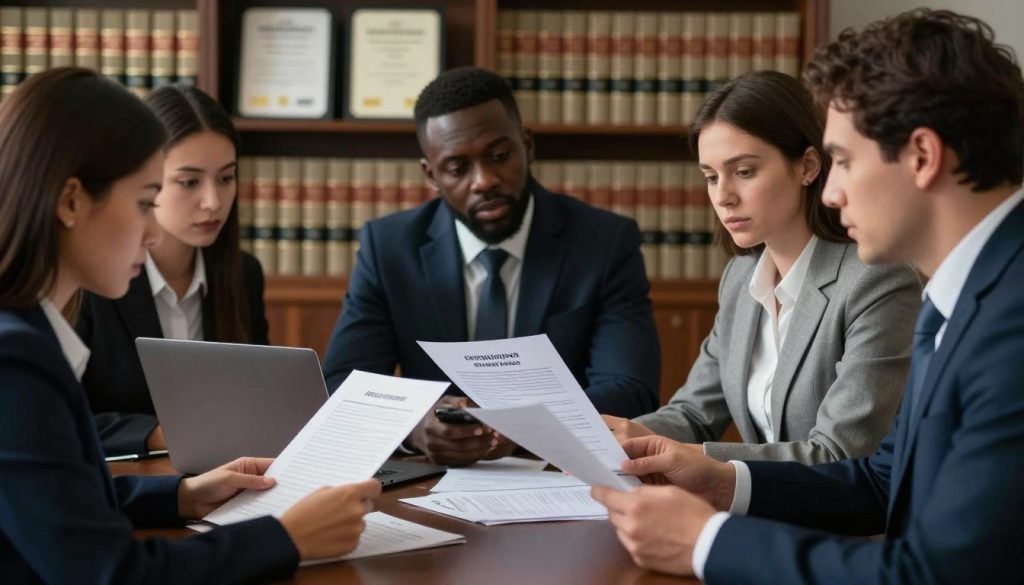
Posting synthetic intimate images of a real person without their consent creates immediate legal and reputational danger. You can face criminal charges and civil suits when images of a person are shared without permission.
The distribution of non-consensual intimate imagery causes real harm to people and their reputations. Courts and prosecutors treat such content seriously, especially when the image was created using artificial intelligence tools.
You must understand that even if someone agreed to create an image, publishing it online without their consent often violates the law. Victims can seek damages and ask courts to remove content.
“The person depicted retains rights that supersede a creator’s use of the material.”
- Legal focus: statutes now cover non-consensual intimate content and misuse of likeness.
- Practical risk: your works can trigger takedown orders, civil liability, and criminal penalties.
- Best practice: document consent, limit use, and remove content on request to reduce harm.
| Issue | Legal Response | Possible Outcome |
|---|---|---|
| Sharing without consent | Criminal charges, civil claims | Fines, injunctions, jail time |
| Use of synthetic likeness | Privacy and harassment laws applied | Content removal, monetary damages |
| Unauthorized distribution | Platform takedowns and notices | Account bans, reputational harm |
Federal Legislation and the Take It Down Act
The Take It Down Act creates a federal route for removing non-consensual intimate media from the internet.
Signed on May 19, 2025, the legislation requires social networks to act quickly when someone reports harmful images or videos.
Reporting Processes for Social Media
You can now use platform reporting tools to trigger a formal review. Companies must accept reports and begin removal steps.
Under the new order, firms have 48 hours to take down reported material or to notify the reporter of a narrow exception.
Keep records of your report, timestamps, and any messages. Those logs help show your use of reporting tools and support later remedies.
Defining Intimate Imagery
The act defines intimate imagery as realistic, computer-generated images or videos that show an identifiable person without their consent for distribution.
The law also makes clear that the creator who publishes or threatens distribution may be held liable for harms to the person depicted.
Practical effect: individuals get a faster path to remove material and to protect reputation and privacy.
| Process | Requirement | Outcome |
|---|---|---|
| Report filed | Platform review begins | 48-hour removal window |
| Evidence kept | Reporter must save logs | Supports civil or criminal claims |
| Creator liability | Publishing is actionable | Possible takedown and damages |
State-Level Penalties for Deepfake Distribution
You can face felony charges in some states for sharing fabricated images without consent. In Tennessee, for example, distribution of deepfakes without permission is a felony. Convictions can carry up to 15 years in prison and a $10,000 fine.
State laws across the United States are changing fast. Legislatures focus on malicious creation and distribution of artificial intelligence content. That shift raises new risks for anyone who uses technology to produce images or videos of real people.
- Know local rules: penalties and enforcement vary by state and by statute letter.
- Watch for precedent: recent lawsuits in New York and elsewhere may shape future cases and policy.
- Protect identity: many laws aim to guard your trademark and image from unauthorized use.
When you create or share digital media, your exposure depends on where you publish and the state policy on data and distribution. Keep records and check state legislation before posting suspect works.
| State | Penalty | Note |
|---|---|---|
| Tennessee | Up to 15 years, $10,000 fine | Felony for distribution without permission |
| New York | Civil suits, evolving criminal charges | Lawsuit precedents may influence wider policy |
| General U.S. | Varies by state | Check local law; consider copyright and privacy claims |
The Role of Machine Learning in Content Detection
Modern monitoring tools combine statistical cues and metadata to flag suspicious synthetic material.
The Lantern initiative, run by the Tech Coalition, shows how machine learning can find harmful materials across major platforms. Lantern shares signals with services such as Discord and Google to spot problematic images and videos fast.
These detectors analyze visual artifacts, file metadata, upload patterns, and repost chains. They help prevent the spread of abusive content and protect users from potential harm.
How signals detect harmful materials
- Models score uploads for manipulation signs and risky context.
- Systems cross-check data against known sources to trace origins.
- Safety protocols built into products enforce removal rules when thresholds are met.
You should know that flagged evidence often supports takedown notices and can strengthen a civil lawsuit or regulatory case. Keep records of reports and notices; they help prove where materials came from.
“Advanced detection systems provide the technical proof regulators and courts use to identify the source of harmful works.”
International Perspectives on Synthetic Media
Global regulators are racing to set rules that make synthetic media traceable and accountable. You should know that international action affects how you create and share works across borders.
The International Telecommunication Union is developing standards for watermarking videos to authenticate creators and deter misuse. That technical work aims to attach signals to files so origin can be verified.
National laws are shifting to address the use of artificial intelligence and the data used to train systems. The recent UN report emphasizes a coordinated approach in every letter of its recommendations.
When you produce images or other content with these tools, you join a global ecosystem where rules vary by country. International cooperation matters to preserve creator rights and the integrity of digital media.
- The ITU’s watermarking work supports authenticity and accountability.
- Cross-border laws increasingly regulate the use of training data and distribution.
- Coordinated standards help protect creators and reduce risky distribution of works.
| Body | Focus | Practical effect |
|---|---|---|
| ITU | Watermarking standards | Proof of origin for video and images |
| UN | Policy coordination | Shared guidelines for data and rights |
| National laws | Regulation of use | Varying protections for creators and works |
Fair Use and the Training of Generative Models
Recent cases probe whether using large datasets drawn from others’ works is a lawful research step or an infringement.
The doctrine of fair use in the United States is now central to lawsuits about training artificial intelligence on protected material.
The principle of non-expressive use argues that a machine’s learning process can be transformative. If the process only extracts patterns and does not reproduce protected expression, plaintiffs may face a harder claim.
The Principle of Non-Expressive Use
Courts examine whether the training step is expressive or merely functional. You should document how models process data and the role your prompts or edits played in final creation.
Economic Considerations
Fair use balances market harm against public benefit. Law looks at whether model training reduces licensing demand or harms authors’ income.
Licensing Market Debates
Industry and creators debate new licensing frameworks for datasets. Legislation and pending lawsuits will shape whether current licensing order survives or needs reform.
| Factor | How it matters | Practical effect |
|---|---|---|
| Transformative use | Measures change in purpose | May favor fair use |
| Market impact | Assesses licensing harm | May weigh against fair use |
| Data provenance | Shows consent and permission | Supports lawful training |
Transparency Obligations and Data Provenance
New regulatory demands mean you can soon see summaries of the works that fed major models. The EU AI Act requires providers to publish clear summaries of the training content their systems used.
This is about accountability. Those summaries help you trace the provenance of data and verify how models learned from others’ works. Providers must disclose datasets, general sources, and risk assessments.
You should know these transparency obligations are spreading beyond Europe. Firms in places like New York and U.S. jurisdictions now adjust policies to document data and comply with emerging laws.
Every letter of new rules aims to give creators options. In practice, copyright holders can seek to opt out of having their works included in training sets. That improves protection for original material and for the rights of others.
- More disclosure: providers publish training summaries and risk details.
- Provenance tracking: you get clearer chains showing where data came from.
- Opt-out rights: authors can limit use of their works in training.
| Obligation | Jurisdiction | Practical effect |
|---|---|---|
| Publish training summaries | EU | Greater dataset transparency |
| Document provenance | Global / New York practice | Traceable content and fewer disputes |
| Opt-out for creators | Various laws | More control over use of works |
Protecting Your Identity Against Digital Replicas
You must act quickly when others reuse your image online. A single post can spread across platforms and be reused by many people before you notice. Stay vigilant and scan where your likeness appears.
Individuals have legal and practical rights to control how their picture is used. If an unauthorized person republishes your photo, that person can be held accountable under privacy and harassment laws.
- Monitor: set alerts and check social platforms for copies of your image.
- Document: save screenshots, timestamps, and URLs as evidence.
- Report: use platform takedown tools and follow up with written complaints.
If you find misuse, seek support from trusted services and legal counsel. Protecting your personal data is part of staying safe online.
“Prompt action and clear records make it easier to remove unauthorized replicas and hold responsible parties to account.”
| Action | Why it matters | Result |
|---|---|---|
| Monitor feeds | Detect misuse early | Faster removal |
| Collect evidence | Proves source and spread | Supports claims |
| Report promptly | Triggers platform response | Content takedown |
Navigating Support Resources for Victims
You do not have to face non-consensual imagery alone. Reach out early so you can get help with reporting, removal, and emotional care.
If you are a victim, start with trusted people and services. Talk to a trusted adult, a pediatrician, or a school counselor who can help you take the next steps.

Organizations like NoFiltr offer practical resources for teens and young adults. They explain reporting tools and connect you with professionals who handle digital abuse.
- Document the abuse: save screenshots, links, and timestamps.
- Report quickly: use platform tools and the Take It Down Act where applicable.
- Seek professional support: counselors and legal advocates can guide reporting and recovery.
“Seeking help is a brave and necessary step toward healing and reclaiming your safety.”
Every victim deserves access to support systems that explain rights, help with takedowns, and provide emotional care. If you need immediate assistance, contact local crisis services or a confidential helpline in the United States.
Conclusion
Practical steps matter. Record prompts, save drafts, and keep permission logs so you can prove how your content and product were made. Use platform tools to remove harmful posts and scan the internet for copies of your work. Protecting your identity starts with clear records and prompt action.
Stay informed. Watch new laws, reports, and cases in New York and your state. Track data and policy changes, trademark rules, and the legal response to emerging technology. Knowing the latest information helps you avoid a costly lawsuit or damaging case.
When in doubt, get help. Consult trusted resources and legal counsel so you act carefully and respect others while protecting your work and rights.
FAQ
Do you own images or videos generated entirely by machine learning?
Ownership depends on whether a human made creative choices that shaped the final work. Under U.S. practice, purely machine-produced material typically lacks human authorship and may not qualify for traditional protection. If you supplied prompts, edited outputs, or directed the process in a meaningful way, you may claim at least partial rights. Consult an attorney to evaluate the level of human input and any applicable state or federal laws.
How does U.S. law treat human authorship for creative works?
U.S. copyright law centers on human originality. The Copyright Office and courts look for personal, creative contributions. Works created without human creative choices often fail the originality test. You should document your involvement—drafts, prompt history, edits—to support authorship claims when registering or enforcing rights.
What difference does it make if you used tools that assisted rather than generated content automatically?
When you use software that assists your creativity, you likely retain stronger claims because the human author drives expression. If the software merely automates routine tasks and you make the expressive decisions, you maintain authorship. If the system produces outcomes you did not meaningfully steer, protection is weaker. Note: full disclosure may be required when registering work that relied on such tools.
Are there disclosure requirements when registering works that involved machine tools?
The U.S. Copyright Office asks applicants to disclose whether a work includes material generated with the help of automated tools. Failing to provide accurate information can jeopardize a registration. When you register, clearly state the extent of human contribution and any third-party tools used.
What legal risks arise from distributing non-consensual intimate imagery created with synthetic methods?
Sharing intimate images of someone without consent can trigger civil claims and criminal penalties under federal and state laws. Many jurisdictions have statutes against non-consensual distribution and will treat digitally manipulated or synthetic imagery the same as real footage when it harms the person depicted. Remove such material promptly and seek legal counsel and platform takedown remedies.
What is the Take It Down Act and how does it affect reporting on social platforms?
Proposed federal measures like the Take It Down Act aim to streamline removal of intimate or harmful synthetic images. While not yet settled law, similar provisions encourage platforms to create clear reporting mechanisms and faster takedown procedures. You should use platform reporting tools, preserve evidence, and contact platform safety teams as early as possible.
How do platforms and laws define “intimate imagery” in these cases?
Definitions vary, but intimate imagery usually means explicit photos or videos meant for private viewing or content that depicts nudity or sexual activity in a private context. Many laws include images altered to appear sexual or intimate, even when synthetic. Check the specific statutory language in your state and the platform’s safety policies.
Can you face state-level criminal penalties for creating or sharing manipulated sexual content of another person?
Yes. Several states have enacted or strengthened laws targeting deepfakes and non-consensual intimate images. Penalties can include fines, restraining orders, and jail time. Penalties depend on intent, harm caused, and whether the victim is a minor. Review your state’s statutes and seek urgent legal advice if you face allegations.
How does machine learning help platforms detect harmful or unauthorized content?
Platforms use machine learning to flag likely harmful material by scanning metadata, image artifacts, and behavioral signals. These systems prioritize content for human review, speed up takedowns, and reduce spread. However, automated detection is imperfect; false positives and negatives occur, so you should follow appeals and support channels.
What signals do detectors look for to identify problematic material?
Detectors analyze visual inconsistencies, recompression artifacts, unusual facial morphs, metadata anomalies, and distribution patterns. They also use known hashes of removed content and report patterns from users. Combining automated signals with human review improves accuracy in identifying harmful materials.
How do other countries handle synthetic intimate media and ownership issues?
International approaches vary widely. The European Union, the United Kingdom, and Australia have been active on platform regulation and privacy protections. Some countries apply strict privacy and personality rights, while others focus on platform liability. If your content crosses borders, you must comply with multiple legal regimes and consider cross-jurisdictional enforcement challenges.
Is training generative systems on copyrighted works allowed under fair use?
Fair use assessments are fact-specific. Courts examine purpose, nature, amount used, and market effect. Training models by ingesting copyrighted material can sometimes qualify as non-expressive, transformative use, but outcomes depend on the facts and legal precedent. Rights holders and developers are actively debating licensing solutions and business models to reduce litigation risk.
What is meant by “non-expressive use” in model training?
Non-expressive use refers to using copyrighted material as raw data to teach a model patterns rather than to reproduce the expressive content itself. Courts may treat that differently than verbatim copying. Still, the line between training and reproduction can be blurry, so developers often pursue licenses to mitigate legal exposure.
How do economic considerations and licensing debates affect creators and platforms?
Creators argue for compensation when their works train commercial systems or produce derivative content. Platforms and developers seek clarity to avoid constant licensing costs. Expect ongoing negotiations, possible compulsory licensing schemes, and new marketplaces where creators can opt in or out of training datasets.
What transparency and provenance obligations should you expect from platforms and services?
Emerging norms and laws push for clearer disclosures about how content is generated and what datasets were used. You should look for services that offer provenance metadata, watermarking, and audit logs. These tools help verify authenticity and protect both creators and subjects of synthetic media.
How can you protect your identity against digital replicas and deepfakes?
Register your online presence, enable platform privacy controls, and use reverse-image searches to monitor misuse. If you find a replica, document it, request takedown through platform channels, and consider legal steps such as cease-and-desist letters or filing a report for impersonation. Identity protection services can also help.
Where can victims turn for support and remediation?
Victims should use platform safety centers, report to law enforcement when threats or extortion are involved, and contact nonprofit hotlines like the Cyber Civil Rights Initiative for guidance. Legal aid clinics and specialized attorneys can help with takedowns, restraining orders, and civil claims.
What immediate steps should you take if someone posts manipulated intimate material of you online?
Preserve screenshots and URLs, document dates, and gather witness details. Use the platform’s reporting tools and record your case ID. Contact the platform’s support and safety teams, consider sending a formal takedown request, and consult an attorney to evaluate criminal and civil remedies.
How do trademarks or publicity rights play into disputes over synthetic representations?
Publicity and trademark laws can offer additional remedies if a synthetic image uses a person’s likeness or a brand in a deceptive or commercial way. Rights vary by state and country; for public figures, trademark and false endorsement claims may be relevant. Evaluate all possible legal avenues with counsel.
Should you keep records of prompts, versions, and edits when creating synthetic media?
Yes. Maintain logs of prompts, timestamps, version histories, and edits. Those records help prove your authorship, show consent where applicable, and support defense against allegations. Good recordkeeping also aids compliance with registration and licensing demands.